
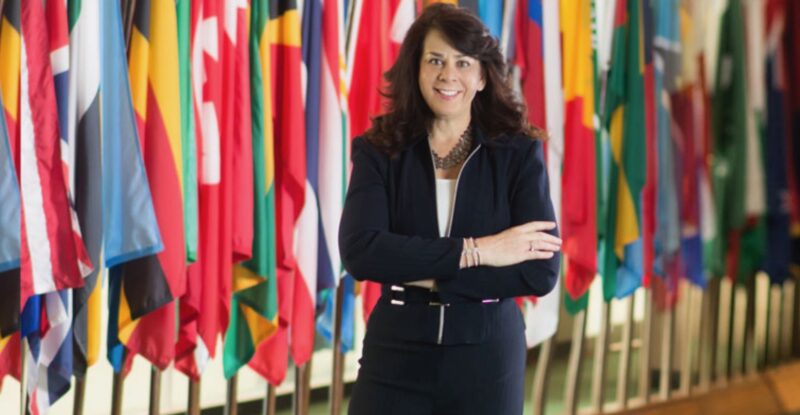


For Lisa Anderson, a senior aviation safety leader at the United Nations (UN), aviation was a feeling before it became her career.
“My interest in aviation was sparked early by two things: National Geographic magazine and the sky,” she says.
“I was captivated by the stories, maps, and faces from around the world and loved the idea of travel. Aviation felt like the perfect way to connect those two interests.”
But Anderson did not begin her career with aviation safety in mind. Initially, she was interested in flying. But she changed her focus after more exposure in the aviation industry.
“I developed a strong interest in safety, systems, and the operational side of aviation,” she explains. “That shift expanded my perspective and opened new professional pathways.”
Anderson’s education provided the foundation for her career.
In 1987, she graduated with a BA in Geography, Travel & Tourism at Eastern Kentucky University, followed by two master’s degrees at Embry-Riddle Aeronautical University. The first was in Aeronautical Science (1999) and the second was in Business Administration with a focus on Aviation Business (2003).
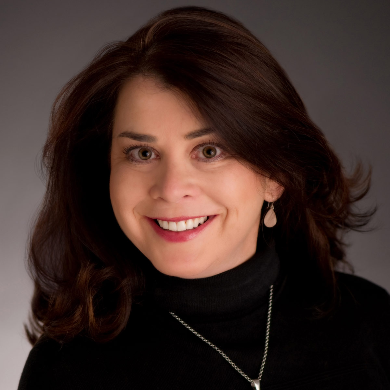
She started her career in aviation safety with a professional fellowship at the International Civil Aviation Organization (ICAO), eventually becoming an Aviation Safety Officer there.
She now serves as Chief of Commercial Air Travel Safety Unit (CATSU) of the United Nations, where she combines technical aviation safety with international humanitarian activity.
“Personnel across the United Nations System operate in some of the world’s most challenging environments, and my role is to help ensure they can travel safely,” Anderson shares.
Her team provides system-wide policy, guidance, and safety information on the suitability of commercial air operators for official UN staff travel.
“Our work enables informed decision-making and provides a degree of confidence to travelers that airlines used by the UN have been properly assessed and deemed suitable for use,” she explains.
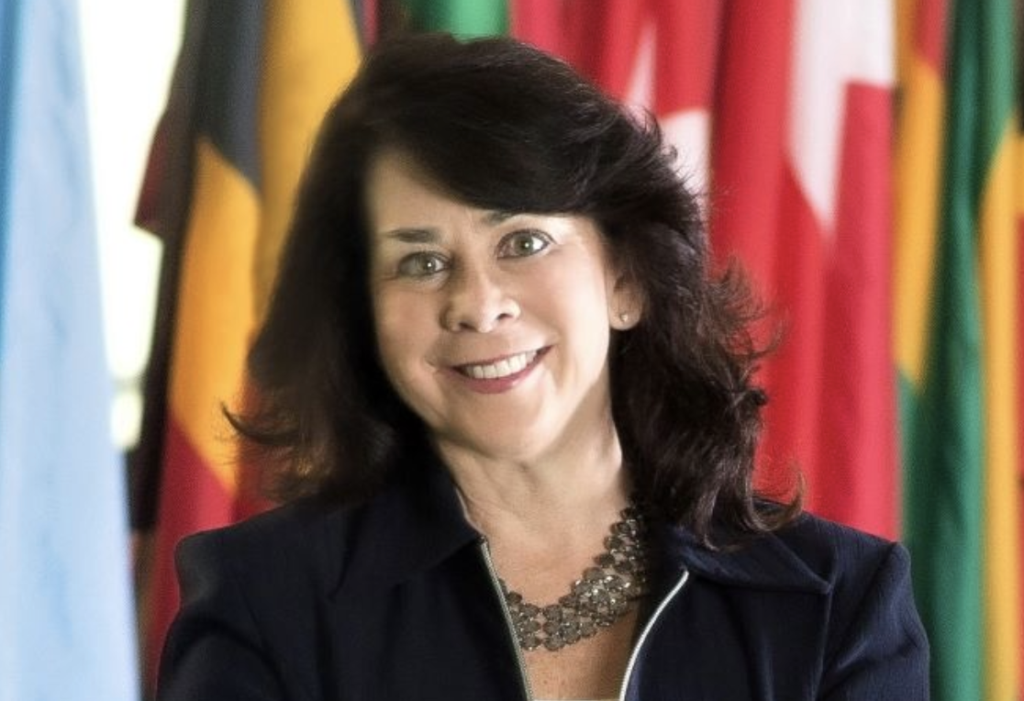
The technical demands of assessing global airline safety are significant, yet Anderson is determined to maintain focus on the human impact of that work.
“Our analyses are not abstract. They directly affect the safety of colleagues deployed to support peacekeeping, humanitarian, and development missions. That perspective drives a disciplined, risk-based approach while reinforcing the human responsibility behind the work.”
Building the UN’s aviation safety assessment framework comes with its own challenges. To Anderson, identifying and validating the most reliable data sources, and determining how best to communicate complex safety information to a diverse global audience has proved to be the most difficult. Setting a new paradigm required creating credibility and trust in the methodology and outputs.
No two days in her role are the same, but the goal is to always ensure the safety and mission success of all UN personnel around the world.
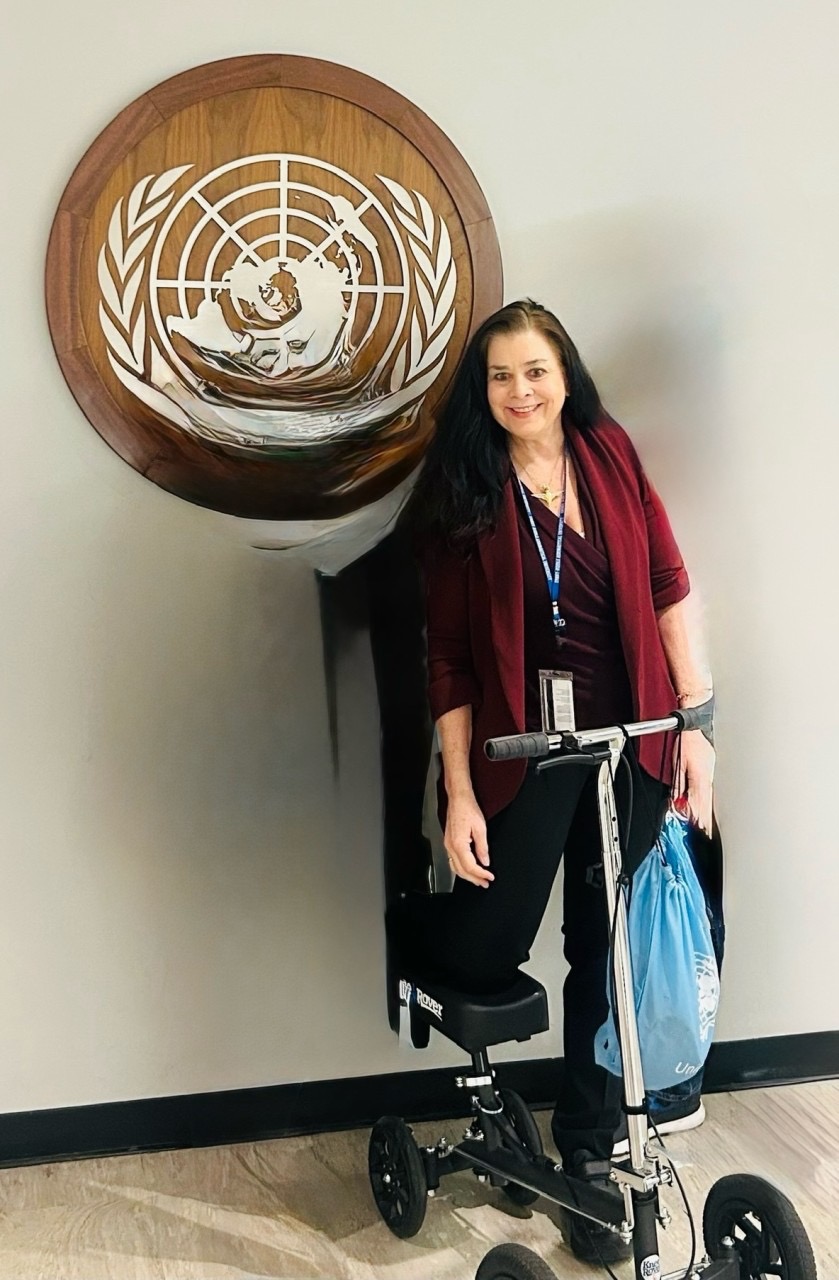
Looking ahead, Anderson believes that safety in the aviation industry is being redefined by emerging threats, in particular, those associated with global conflict and instability.
“Some of the most significant risks to commercial aviation safety stem from acts of war, state and non-state aggression, sabotage, and the misuse of weapons against civil aviation,” she says.
An example of such threats is the bombing of Antonov An-225 Mriya during the Russian invasion of Ukraine in the Hostomel Airfield (Gostomel) near Kyiv.

More recently, the widening Middle East crisis has caused major disruptions in civil aviation across the globe. After massive military raids, more than 21,000 flights were reported as canceled, with many flight reroutes within a few days. This has in turn left tens of thousands of travelers stranded.
“Preparing for the future will require not only technical vigilance but also sustained global cooperation and a shared commitment to protecting civil aviation in increasingly volatile contexts,” Anderson advises.
She is also clear about the presence of women in aviation:
There’s not enough!
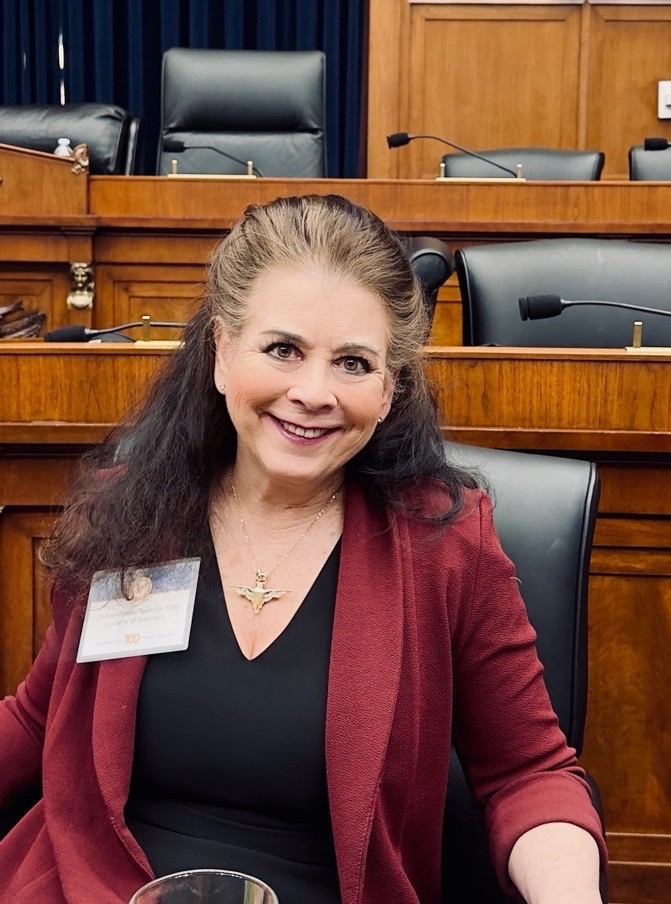
Anderson’s views are her own and presented in her personal capacity, not as a representative of the United Nations. All images are credited to her personal collection