

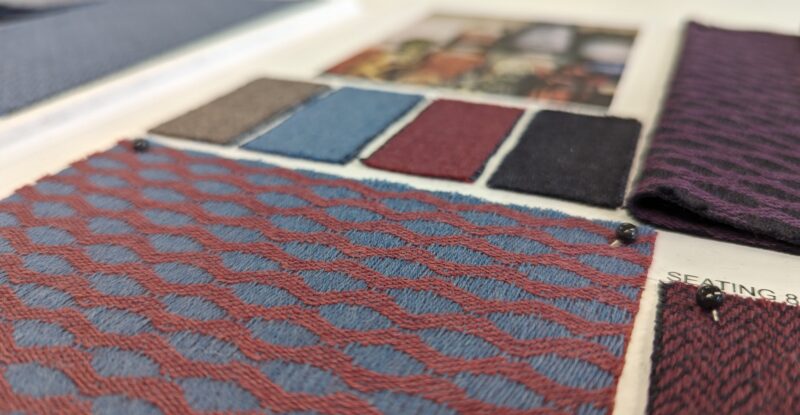
 Replin by Hainsworth, the aviation fabrics division of 240-year-old British mill AW Hainsworth, is introducing its next-generation, naturally dyed and fully biodegradable seat fabric concept at AIX 2026.
Developed in collaboration with natural dye specialists Tintoria di Quaregna, the new 100% wool fabric concept is believed to be the first naturally dyed, aviation-compliant seat fabric in existence, meeting market demand for sustainable, vibrant fabric dye solutions.
With major airline carriers pledging net-zero targets which require radical material innovation, Replin by Hainsworth’s new concept combines sustainability with luxury aesthetics whilst maintaining full compliance with aviation fire safety and performance standards.
Using dyes derived from plants such as madder, poppy, and European goldenrod, all dye formulations are derived from botanical and mineral sources using closed loop, non-topic methods that avoid heavy metals and synthetic auxiliaries.
As well as reducing emissions and waste, this process achieves high levels of colour fastness, light stability, and dry clean capacity, meeting the rigorous demands of aviation interiors. At end-of-life, the fabric biodegrades naturally, eliminating landfill accumulation and aligning with circular economy principles.
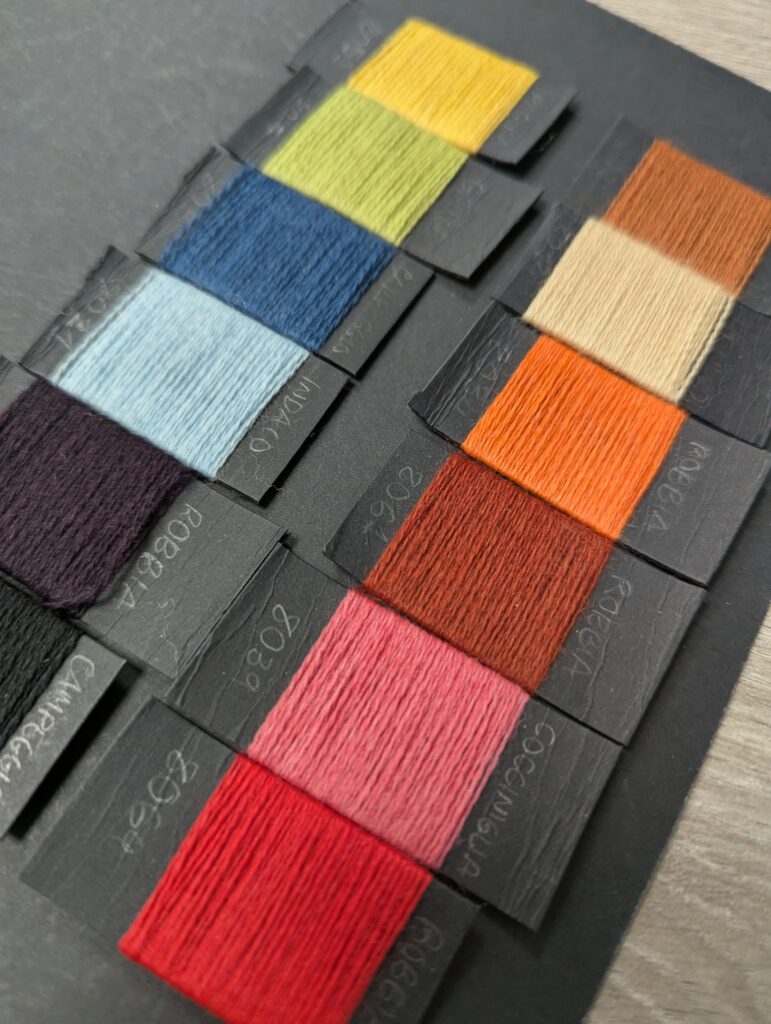 The naturally dyed wool yarns can also be woven with meta aramid blends such as Nomex to create vertical surface fabrics. Although no longer biodegradable, these fabrics still achieve a significantly lower carbon and chemical footprint while retaining certification compliance.
This current innovation has yielded four 100% biodegradable colours and a further four meta aramid blended colours, with ongoing testing and development underway to broaden this offering so that colour can be tailored to exact brand palettes using only natural pigments.

Angela Augusto, Technical and Innovation Manager at Replin by Hainsworth commented: “Airlines are under growing pressure from regulators and customers to reduce emissions and implement circular design principles. The industry has been dependant on chemical dyes for decades and currently every widebody cabin refurbishment produces 1-2 tonnes of seat fabric waste, contributing thousands of tonnes of non-biodegradable waste each year.
“Undyed natural materials simply don’t offer the colour flexibility that airlines need, so our challenge was to develop a fabric made with traceable natural dyes that delivers on sustainability and colour flexibility, while meeting strict aviation performance standards. This innovation combines sustainability with design freedom and we’re really looking forward to sharing it at this year’s AIX conference.”
The innovation is currently undergoing performance testing as well as abrasion and strength testing to evaluate durability on a final product level. Based on the proven compliance of existing Replin textiles, certification success is highly anticipated. Replin’s ISO 9001 certification confirms that industrial-scale manufacturing is already established, ensuring consistent quality and full traceability.
Featured image credited to Replin