

Please enjoy this Op-Ed contribution from Paul Ashcroft, who serves as SVP Asia-Pacific at aviation asset specialist AerFin.
China’s aviation industry is entering a pivotal decade. A younger fleet, progressing towards mid-life, rising operational pressures and a renewed push for sustainability are converging to reshape how airlines think about material use and end-of-life strategies. Nowhere is that shift more visible than in the rapid growth of China’s aircraft teardown and recycling sector.
This momentum isn’t happening in isolation. Airlines across the region are navigating escalating maintenance costs, ongoing shop visit availability issues, and long-term and structural supply chain constraints. New parts remain expensive and, in many cases, are difficult to secure. Geopolitical tensions and tariffs continue to influence material flows. Against that backdrop, operators are looking for lower-cost solutions that keep aircraft flying, protect asset value, and support long-term resilience.
That’s where Used Serviceable Material (USM) is beginning to play a far greater role.
As operators face the realities of cost pressure and supply shortages, USM is increasingly viewed as a strategic tool. Airlines are now actively exploring USM to reduce downtime, manage operational risk, and create more predictable maintenance pathways. Confidence is rising, supported by a maturing supply chain and the assurance that strict Civil Aviation Administration of China (CAAC) controls maintain the highest levels of safety and traceability.
This shift aligns with a broader national focus: On a number of occasions at the recent USM conference in Jinan I heard mention of an ambition in China to reuse or recycle more than 90% of materials from retired aircraft. Achieving that goal requires commitment, scale and collaboration. The country’s teardown capacity is expanding quickly, but meeting future demand will depend on a well-connected ecosystem that can handle both the straightforward and the complex.
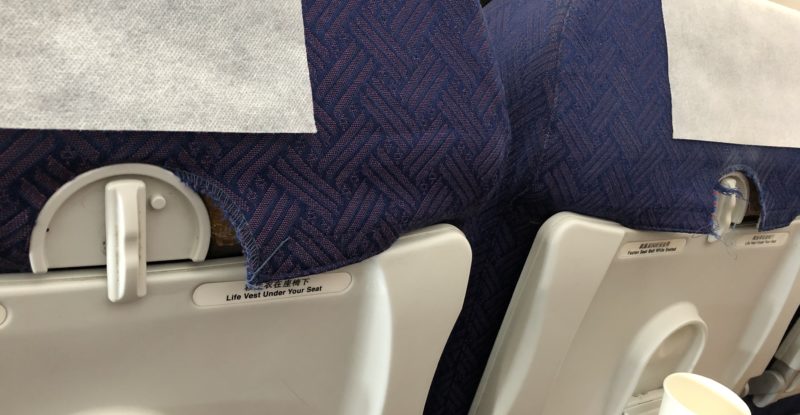
Not all components are equal when it comes to recycling. The materials of a typical A320ceo aircraft consist of approximately 70% aluminium and 10% steel, by weight, and these are widely recyclable. However, cabin interiors, carbon fibre composites and other specialised materials still require deeper industry cooperation and, in some areas, new technologies to ensure they can be responsibly recycled.
As fleets mature and retirements accelerate, and with newer fleets having a greater composite composition, these challenges will become more pressing.
International partnerships will be essential. Access to global USM supply is already helping Chinese operators smooth over the gaps created by supply chain volatility. It also provides the quality, documentation, and reliability needed to build long-term confidence. The airlines that succeed will be those that combine strong in-country capacity with relationships that open up the best of the worldwide aftermarket.

AerFin plays an active role in that progress. Our deep experience in complex teardowns and transactions helps customers navigate challenging decisions with confidence, and our meticulous focus on quality ensures they receive material they can rely on. Sustainability sits at the heart of our business model, so our approach to recycling and resource recovery ensures every asset delivers value throughout its life while supporting the circular principles central to China’s aviation strategy.
The way ahead is clear. China’s teardown and recycling market is expanding, and its airlines are recognising the economic and environmental value of USM. With confident, reliable and progressive partnerships in place, the region is well placed to build a highly efficient, resource-conscious ecosystem that supports growth and strengthens resilience.
For operators, this moment represents an opportunity to rethink how assets are managed, how supply limitations are navigated, and how sustainability is embedded into long-term planning. For the aftermarket, it’s a chance to support that transformation with reliable, traceable, and cost-effective material solutions that keep fleets moving forward.
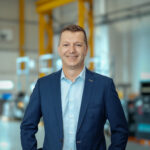 About the author:
Paul Ashcroft serves as SVP Asia-Pacific at AerFin, an aviation asset specialist that buys, sells, leases and repairs aircraft, engines and parts to maximise the value for their owners and provide a lower-cost supply of material to its airline, lessor and MRO customers. He is a vastly experienced industry veteran with over 30 years’ service in wide-ranging technical and commercial functions.
After starting his career at GE Wales, where he led the powerplant technical support of CFM56 engines with Asia Pacific customers and trained as a Six-Sigma Black Belt, Paul moved to hold leadership positions in Cathay Pacific, Hong Kong, where he was part of the Aircraft trading team and responsible for the engineering aspects of lease transitions. Within Rolls Royce Civil Aerospace, as Chief of Service Engineering, he led a large team improving operational reliability, enhancing customer technical support, and optimising life cycle cost of the worldwide RB211 and Trent fleets; he also supported the expansion of operations into Singapore. Most recently he was Head of Engineering Services in Rolls Royce Defence, leading international teams and ensuring customers’ in-service needs were met.
Featured image credited to Will Horton