

 Achieving more gender balance in aviation is a key priority of the International Civil Aviation Organization (ICAO). Together with industry stakeholders, the UN agency has long supported a variety of initiatives aimed at increasing women’s participation in the field.
Yet, significant gender disparities continue to exist across many career paths.
Looking at the numbers, ICAO’s global data show that women account for approximately 4% of pilots, 3% of aircraft maintenance engineers and technicians, and 20.6% of air traffic controllers globally.
You might ask, why does it matter?
Women face systemic barriers relating to workplace cultures and stereotypes, but their participation in aviation “is linked to improved safety, performance, and profitability,” ICAO explains. “A more diverse workforce can solve complex problems, enhance innovation, and better meet industry demands.”
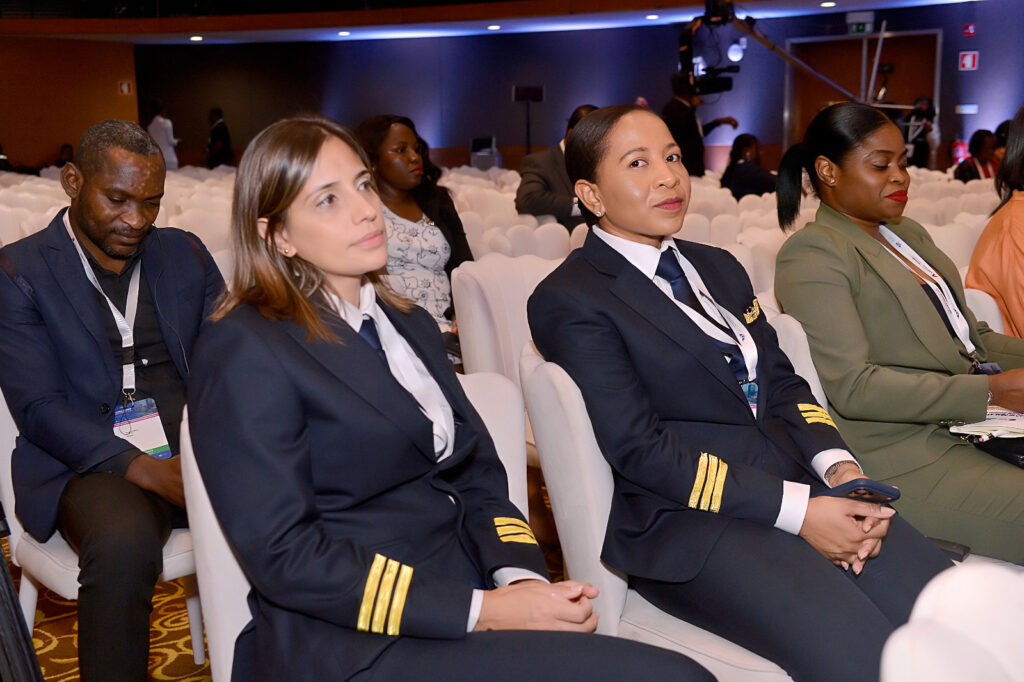
Earlier this year, as part of its broader gender equality mandate known as Assembly Resolution A41-26, ICAO launched a landmark global study of women in aviation to better understand and advance women’s empowerment in the sector.
Led by Dr. Elise Stephenson, the study will improve the collection and use of sex-disaggregated data to identify gaps, measure progress and inform targeted interventions in areas where women remain underrepresented. Evidence-based decision-making is critical to ensuring that initiatives deliver meaningful and lasting results.
“The study of women’s experiences is important not only for individual career opportunities but also the growth, innovation, and future of the aviation sector,” explains ICAO.
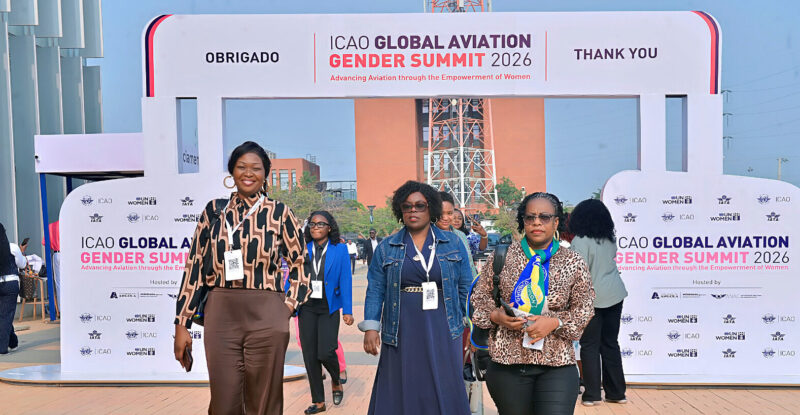
But it’s not stopping there. Underscoring its relentless commitment to changing the status quo, ICAO recently hosted its annual Global Aviation Gender Summit, this time in Luanda in the Southern African nation of Angola.
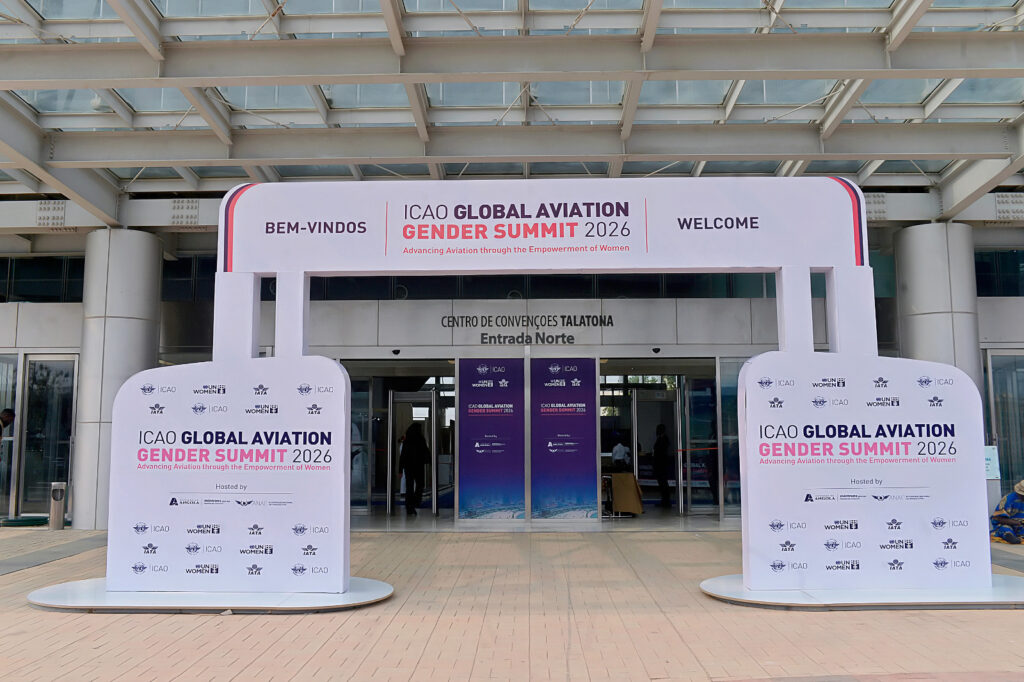
Expanding the talent pipeline, supporting the sector’s long-term sustainability and growth, and improving education, training, mentorship and leadership development were key themes addressed at the Summit.
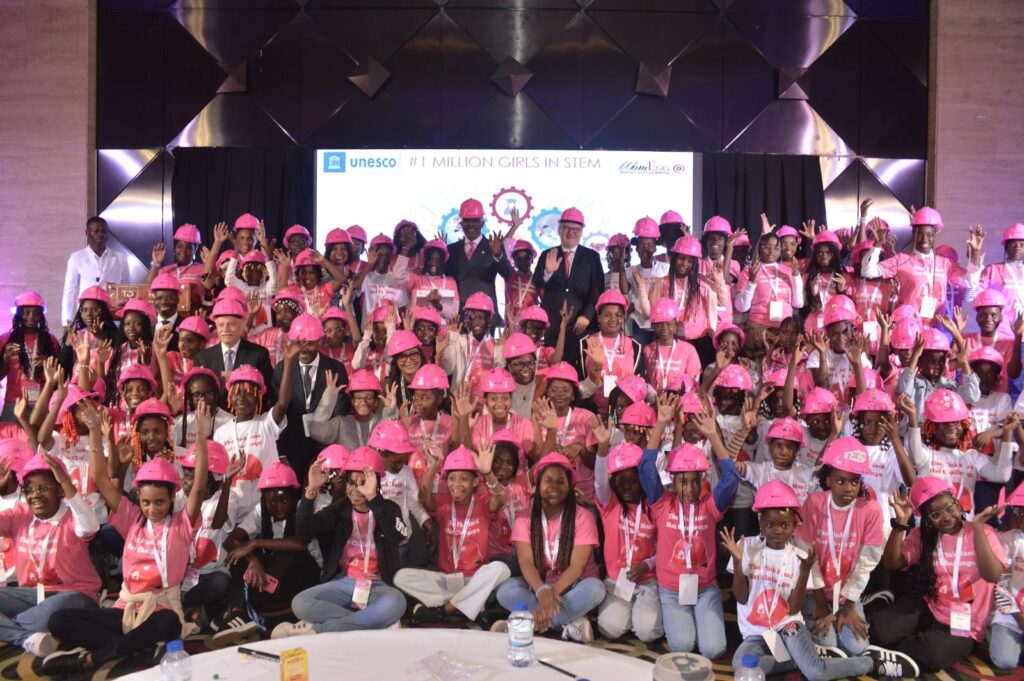
Ninety girls took part in the Pink Hard Hat Challenge at the event. Organized by UNESCO, the Challenge seeks to empower young girls and women to seek careers in STEM. Image: ICAO
Among the women leaders who participated in the ICAO Global Aviation Gender Summit as panelists, Cristiane Dart, MBA, IAP, a board member of the International Aerospace Women’s Association (IAWA), emphasized the importance of involving women directly in the creation of new technology to ensure that systems and services serve everyone.
“Innovation is more than just technology. It is about people, culture and the willingness to challenge the way we do this. It is important to ensure women are not only beneficiaries of these technologies, but are also involved in designing and implementing them,” Dart told Runway Girl Network after the event.
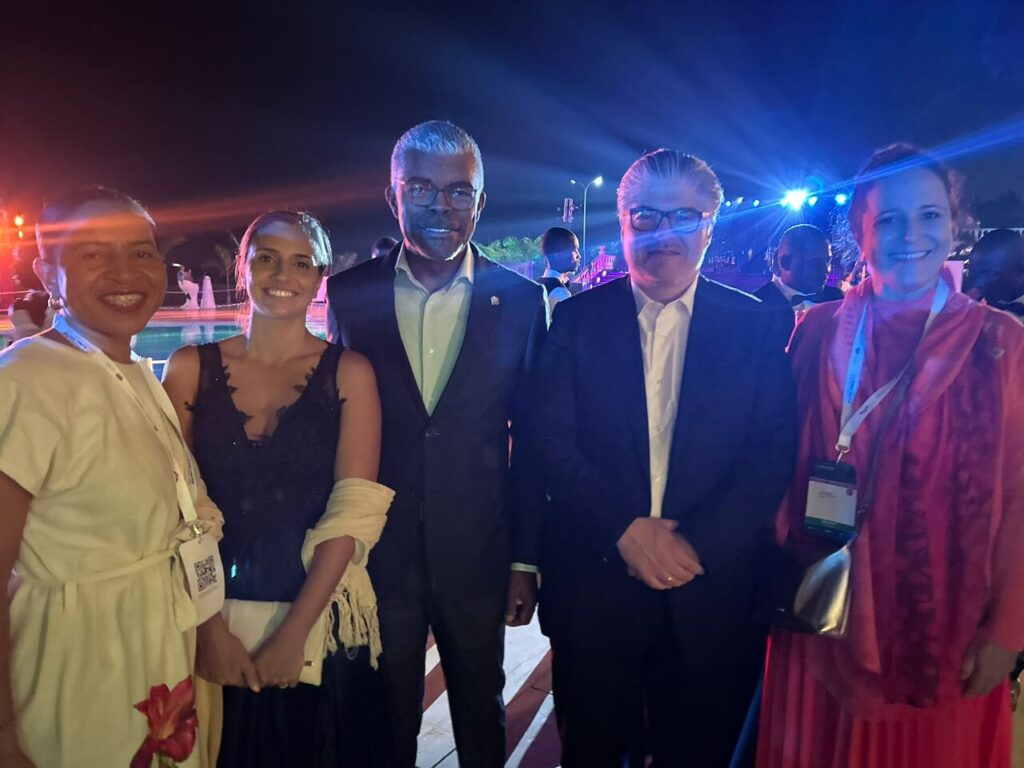
ICAO Global Ambassadors and Champions as well as dignitaries, prominent women leaders, organizations, and experts participated in the Summit. Pictured: Cristiane Dart with ICAO Secretary General Juan Carlos Salazar and fellow attendees. Image: Cristiane Dart
Keenly aware that actions speak louder than words, Dart and fellow members of IAWA also focused on facilitating connections at the Summit, including by introducing female Angolan pilots to the country’s Minister of Transport, who is looking to drive inclusivity in civil aviation.
“The real measure of success in this kind of setting is what happens after you leave the room,” Dart noted.
To this end, ICAO’s Global Network of Gender Focal Points, which connects member states to share updates on gender equality events and initiatives, now boasts representatives from 105 member states.

According to ICAO communications officer William Raillant-Clark, industry is presently transitioning from commitments to making a meaningful impact with measurable progress.
For example, a forthcoming toolkit from ICAO, called Mainstreaming Women’s Participation and Advancement, will provide further help to member states by providing “concrete, guidance, tools, templates, checklists and more,” he said.
Raillant-Clark believes this year’s Summit in Africa, and the year-prior event in Spain, have laid a strong foundation for progress to be made including around policy development, accountability, partnerships and investments in the future of women in aviation.
“The future of aviation depends on whether we succeed in unlocking the full potential of the people who will shape it,” said ICAO Secretary General Juan Carlos Salazar in his closing remarks at the Summit.
“Women are not simply part of aviation’s future. They are essential to it.”
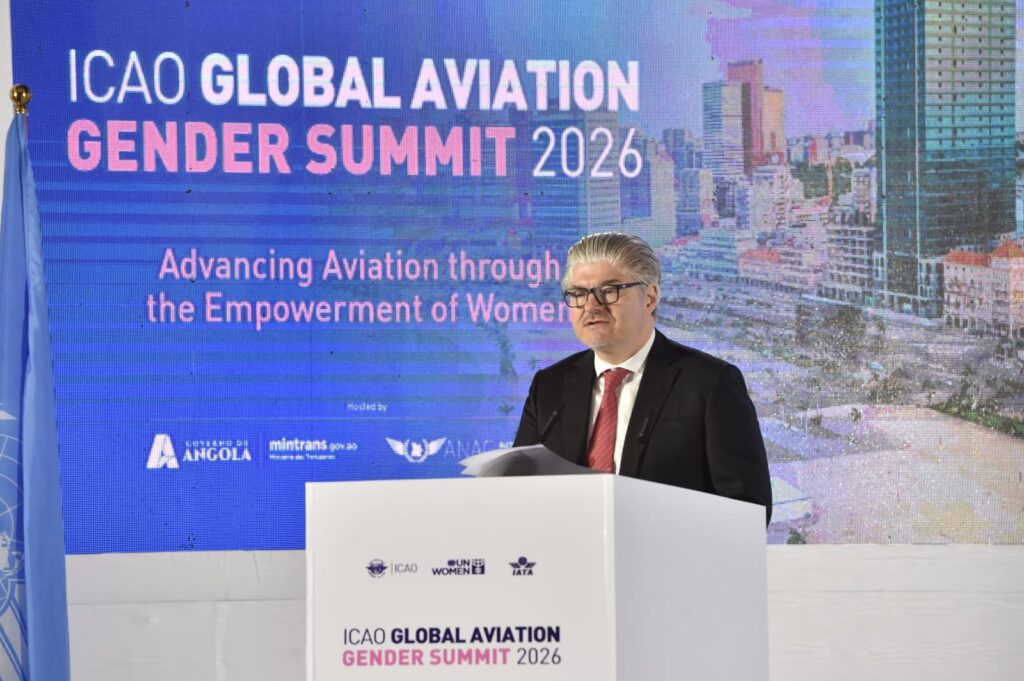
ICAO Secretary General Juan Carlos Salazar believes women’s participation and empowerment in aviation is both a strategic imperative and a catalyst for a more innovative, sustainable and future-ready global aviation sector. Image: ICO
Related Articles:
- IATA Board appoints WEF executive Saadia Zahidi as Director General
- Dr. Tamara Pejovic builds an all-inclusive space for young Aviators
- Why aviation sustainability and accessibility are interconnected
- Lisa Anderson on shaping global aviation safety at the United Nations
- How Maseka Kithinji is making aviation accessible to girls in Africa
All images credited to ICAO