
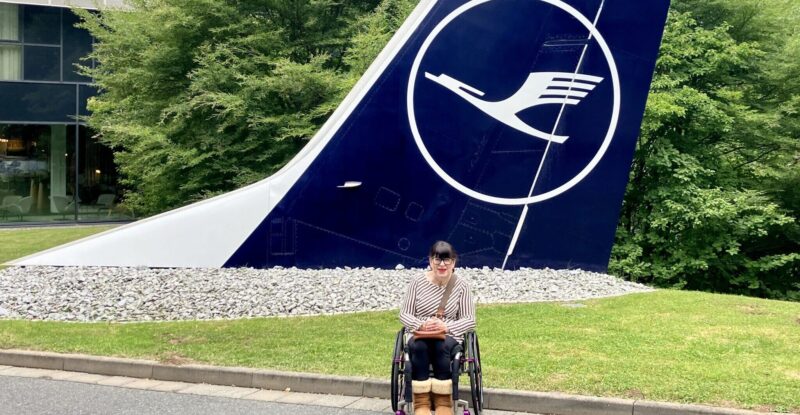

As a first-time attendee at the RedCabin Aircraft Cabin Innovation Summit in the Lufthansa Seeheim hotel near Frankfurt, your author expected to hear discussions about future cabin concepts, premium passenger experiences and emerging technologies.
As a wheelchair user, the lack of barriers at this beautiful, first-class resort made me confident and independent. The facility boasts excellent accessibility, including in the conference centre.
What I didn’t expect was how often accessibility would feature in those RedCabin conversations in person and on stage.
For years, accessibility has regularly been treated as a specialist topic within aviation. Important, certainly, but frequently discussed on the sidelines rather than at the centre of cabin innovation. At RedCabin, it had a spotlight.
Accessibility was woven into many discussions about the younger and older passenger experience, design, operations and the future of the aircraft cabin.
That shift was particularly evident during the roundtable sessions, “Universal Skies: Towards the Next Level of Passenger Accessibility,” which brought together airlines, aircraft manufacturers, suppliers and accessibility experts with lived experience to tackle one question: how do we create a cabin experience that genuinely works for everyone?
Moderated by Airbus’ Axel Becker and Andreas Schütt, alongside Sarah McOnie from Airchair (who sponsored the roundtable), Lufthansa Group customer experience design specialist Danica Waitkus and myself, the session moved beyond theory and into practical problem-solving. We had a great turnout and curious attendees, and it was a delight to co-host. I had way too much fun for it to be considered work. RedCabin is highly social.
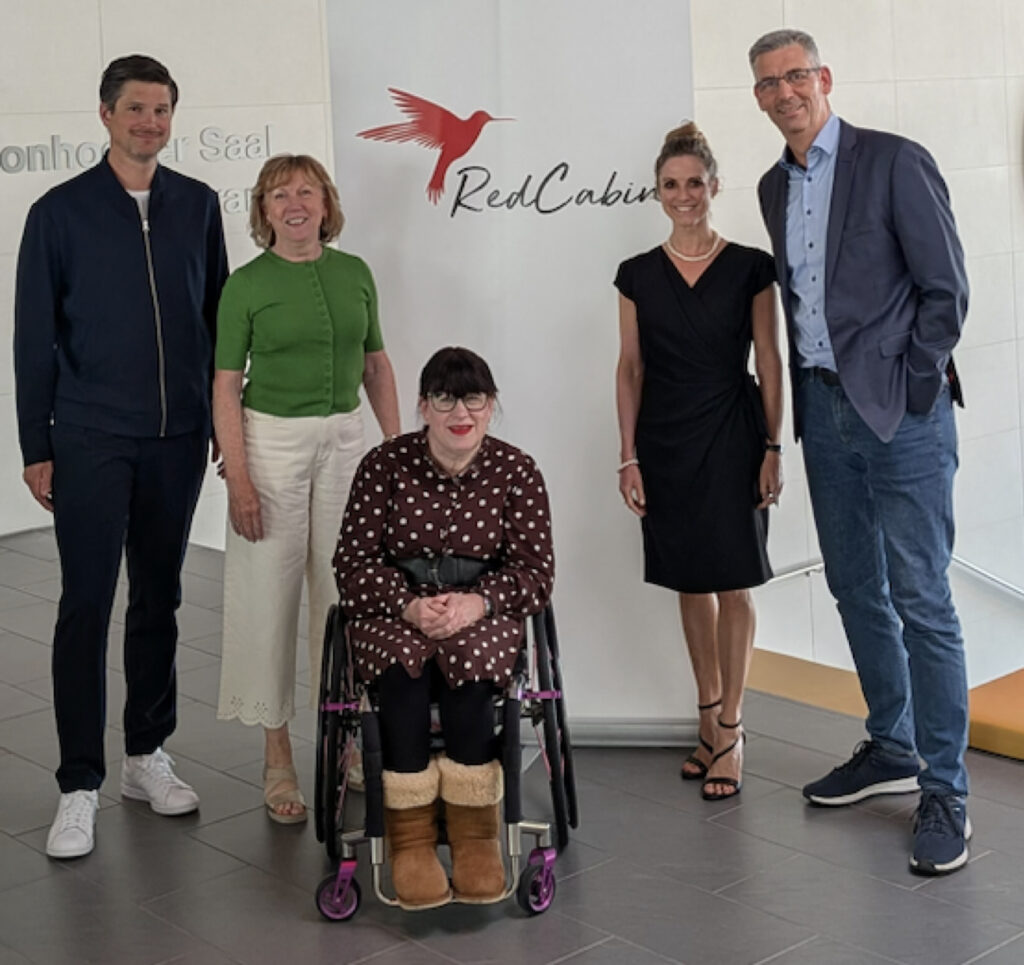
Image: Airbus
Participants were divided into four working groups focused on mobility, hearing, visual and cognitive accessibility. Each group explored barriers throughout the passenger journey and developed potential product, services, and digital solutions.
What made the exercise particularly effective was the use of lived experience aviation trainers and credible passenger personas. Rather than discussing disability in abstract terms, participants were asked to consider the needs of real travellers with different access requirements, from wheelchair users and blind passengers to travellers with hearing impairments and cognitive disabilities. I shared the voices of disabled passengers and what they may be feeling physically and emotionally whilst we travel.
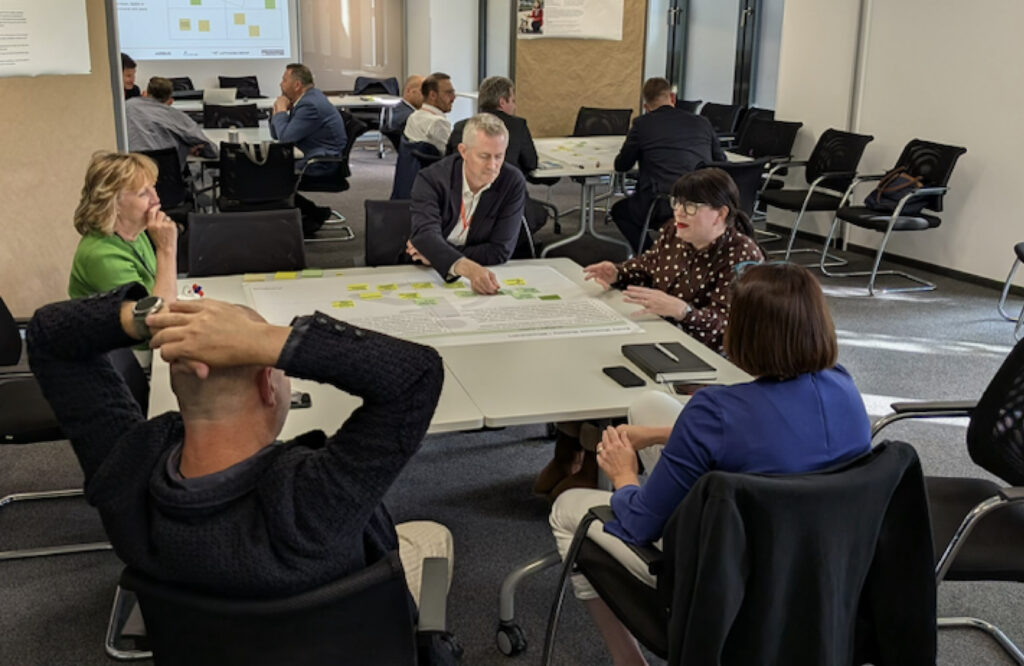
Image: Airbus
The session also challenged common misconceptions about disability and accessibility.
Disability is a natural part of the human experience. Also, accessibility is too often viewed as a niche issue affecting a relatively small group of passengers. The data presented told a different story. According to evidence shared during the workshop, the number of people with disabilities has increased from 0.8B (2014) to 1.3B (2024). This is due to demographic trends, increases in diagnoses and increases in chronic health conditions, among other causes.
Some 16% of the global population experiences significant disability, while almost one billion people will be aged over 65 by 2030. Accessibility is not a specialist consideration. It is a mainstream passenger experience opportunity and an equality issue.
Participants explored challenges that remain familiar to many disabled travellers, including boarding and transfers, access to lavatories, cabin navigation, communication, stowage of mobility equipment and crew training. More than 50,000 disability-related air travel complaints and approximately 10,000 mishandled wheelchairs and scooters are reported annually in the United States alone.
One of the most encouraging moments of the summit came outside the workshop itself.
Axel Becker of Airbus and Kevin Roundhill of Boeing presented what many attendees described as a genuine RedCabin success story: the joint Airbus-Boeing initiative to develop standardised tactile placards for aircraft cabins.
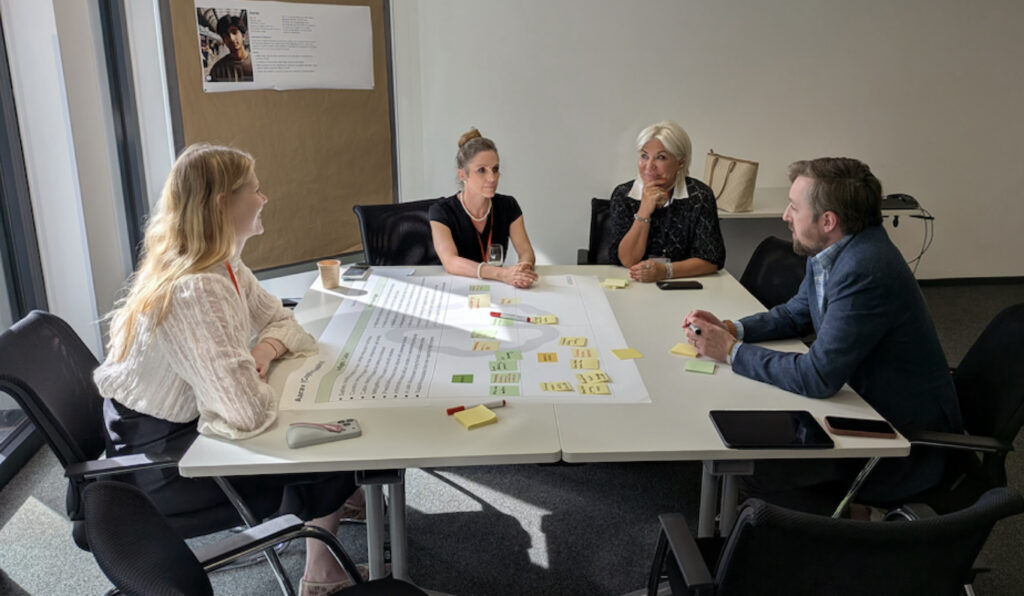
Image: Airbus
In an industry where manufacturers are often competitors, collaboration of this nature is rare. Yet both companies recognised that blind and low-vision passengers would benefit far more from a common approach than from competing solutions.
The result is a shared effort to develop tactile signage standards that can improve consistency and usability across different aircraft types. As Runway Girl Network recently reported, the project demonstrates what can be achieved when accessibility is viewed as an industry challenge rather than an individual company initiative.
For me, that collaboration captured the spirit of the summit.

The most valuable conversations weren’t focused on finding a single breakthrough product.
They centred on bringing together people who do not always sit around the same table, engineers, airlines, suppliers, designers and disabled passengers, and asking them to solve problems together.
That’s where meaningful progress happens. Leaving Lufthansa Seeheim, I was struck by how far the conversation has evolved. The debate is no longer whether accessibility matters; the industry has largely accepted that it does.
The challenge now is turning that shared understanding into products, services and cabin environments that consistently work for every passenger.
If the discussions and collaborations emerging from RedCabin are any indication, the industry is moving in the right direction.
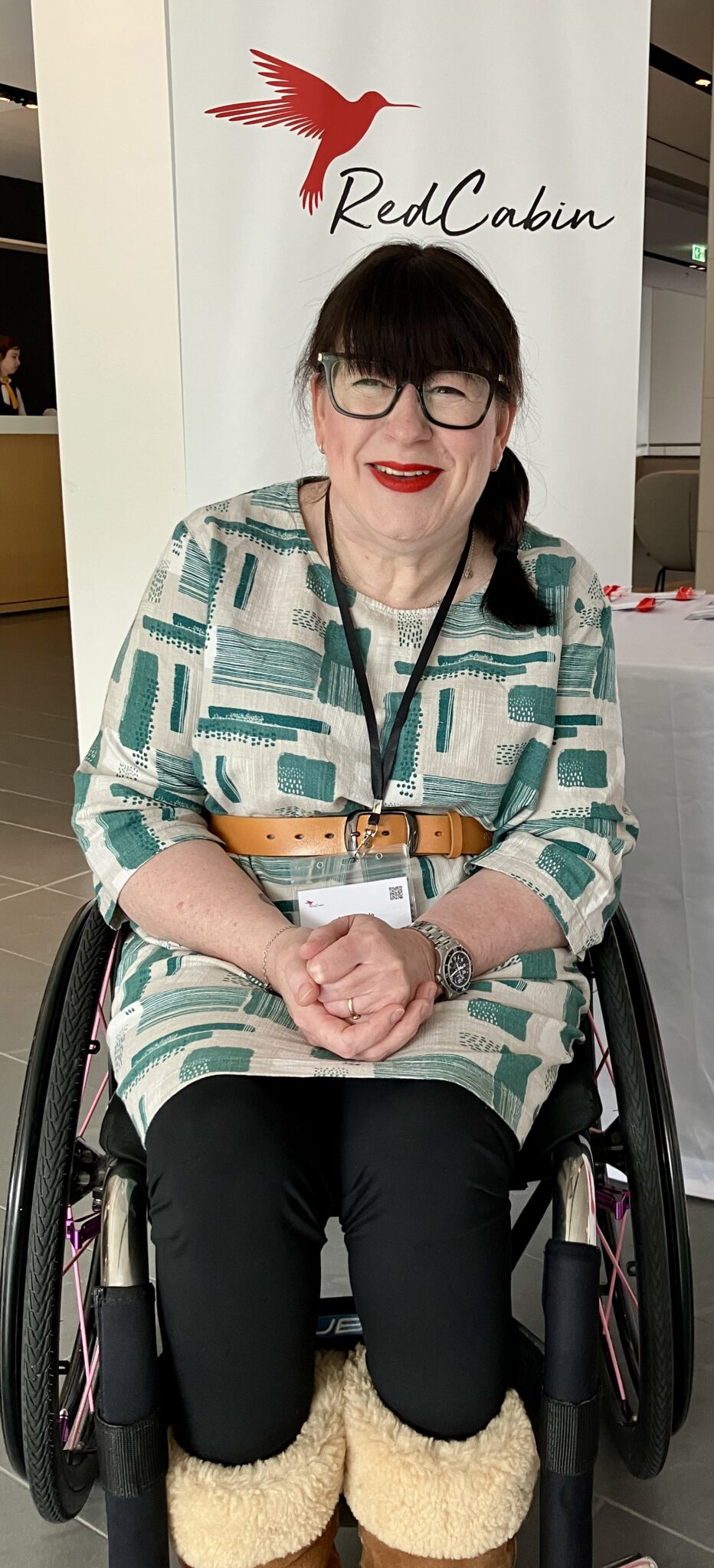
Image: Mary Doyle
Related Articles:
- AIX 2026 shows accessible air travel has reached tipping point
- Diehl Space³ lav to enter service this year, narrowbody variant afoot
- Boeing and Airbus develop tactile placard standard for aircraft
- Why aviation sustainability and accessibility are interconnected
- New Terminal One at JFK bakes in accessibility as it readies for debut
- JetZero to bake wheelchair accessibility into Z4 interior
- U.S. DOT hits pause on four provisions in new Wheelchair Rule
- Op-Ed: Broad collaboration at RedCabin Tokyo fuels PaxEx innovation
Featured image credited to Airbus