

 Adam and 32-weeks pregnant Milda wanted one last holiday with four-year old Kai before their baby was born. Many parents will relate. The pregnancy had been difficult. At 25 weeks, the baby had needed a shunt placed in utero to address kidney and bladder problems. A specialist medical team would be ready at St Thomas’ Hospital in London for the birth, and for now all was apparently well.
Then everything changed. Milda began having contractions after a holiday walk. By the time she reached the Royal Cornwall Hospital she was 4cm dilated. She lost a great deal of blood through a placenta abruption and, at 8cm dilated, the placenta detached.
With the baby’s heart rate dropping and oxygen level becoming critical, an emergency C-section was performed. Newborn Rio was successfully resuscitated, but the hospital lacked the expertise for his medical needs. Perhaps his only chance of survival, the specialists at St Thomas’ were at least 270 miles and five hours or more away by land ambulance. Rio was potentially too weak for the journey.
Enter UK children’s air ambulance charity Lia’s Wings. It arranged a Skycare Repatriation PC-12 air ambulance to fly Rio from nearby Newquay Airport to London, and coordinated land ambulance transfers.
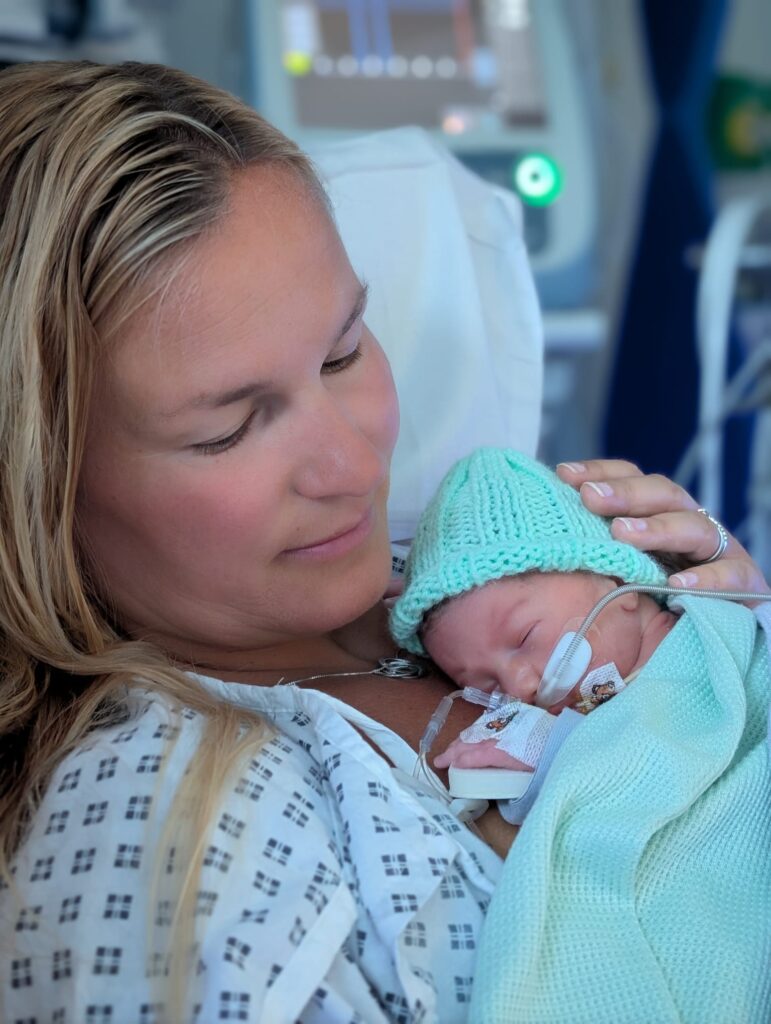
Lia’s Wings gave baby Rio the best chance of life after he was born eight weeks prematurely and with complex renal problems. He is currently doing well. Image: Lia’s Wings
The quick intervention of Lia’s Wings likely saved Rio’s life, and its team continues to care for his family.
“Many of the families we support are facing one of the most traumatic moments of their lives. They need reassurance that they are not alone, that we understand what they are going through, and that we have helped many others through similar situations,” says Charlotte Young, chief operations officer at Lia’s Wings.

Charlotte Young, Chief Operating Officer at Lia’s Wings. Image: Lia’s Wings
The charity has previously focused on domestic transfers for specialist medical treatment, but repatriations back to the UK are becoming more common. The challenges of coping with a sick child while far from home place additional stress on families.
Young reveals: “Our flight nurses who collect families overseas often speak about the visible sense of relief when they first meet parents. Hearing their own language and being able to talk naturally can bring an immediate sense of comfort and connection during an otherwise overwhelming experience.”
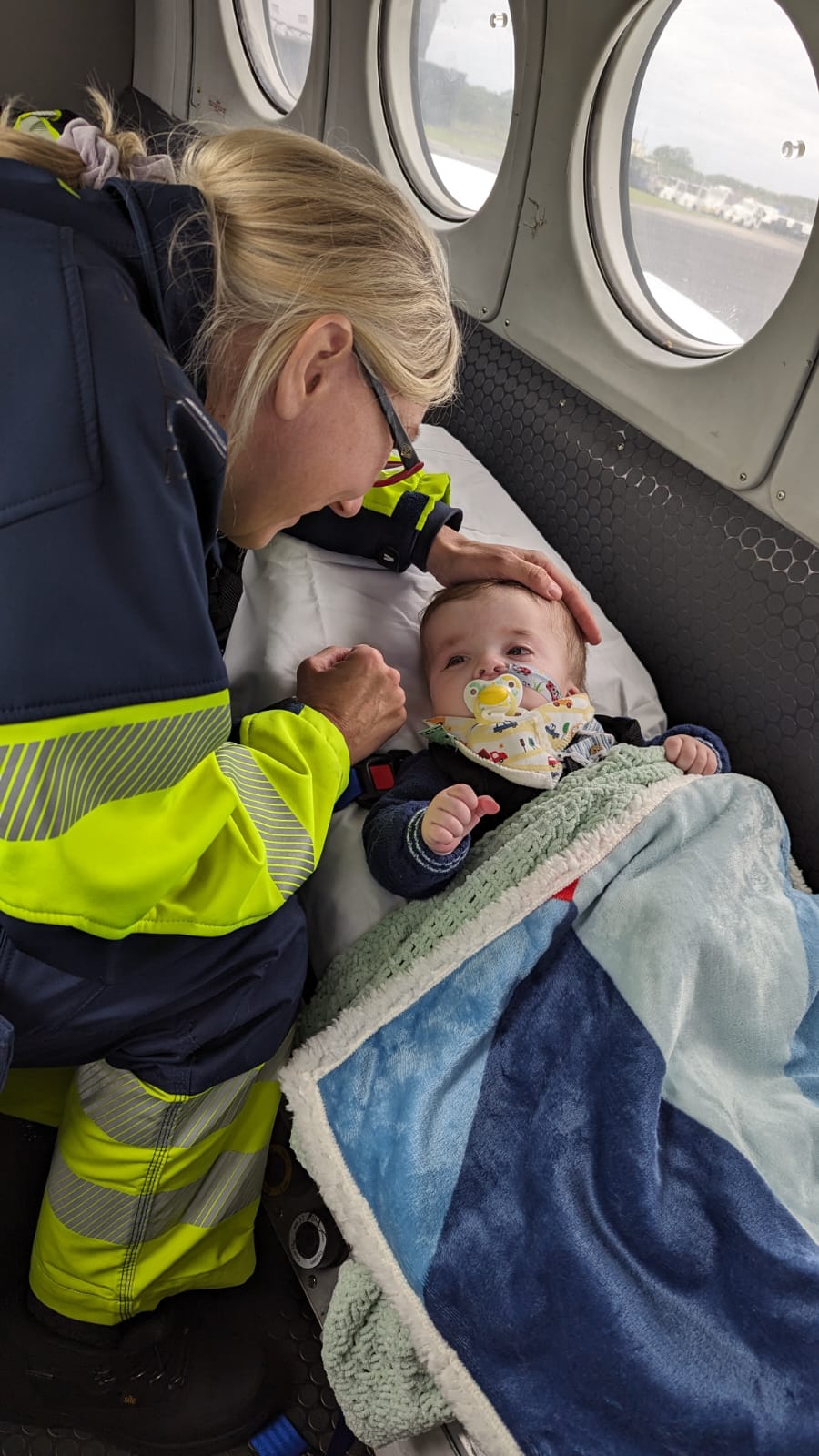
Flight nurses are deeply involved in the patient transfer and care processes. Image: Lia’s Wings
Funding for Lia’s Wings flights and its family support service is from supporters; there is no national or state contribution.
Money comes from corporate partners, trusts and foundations, individual fundraising, personal donations and, very recently, the National Lottery. It is ironic then, that referrals for a domestic aeromedical transfer typically come from the National Health Service.
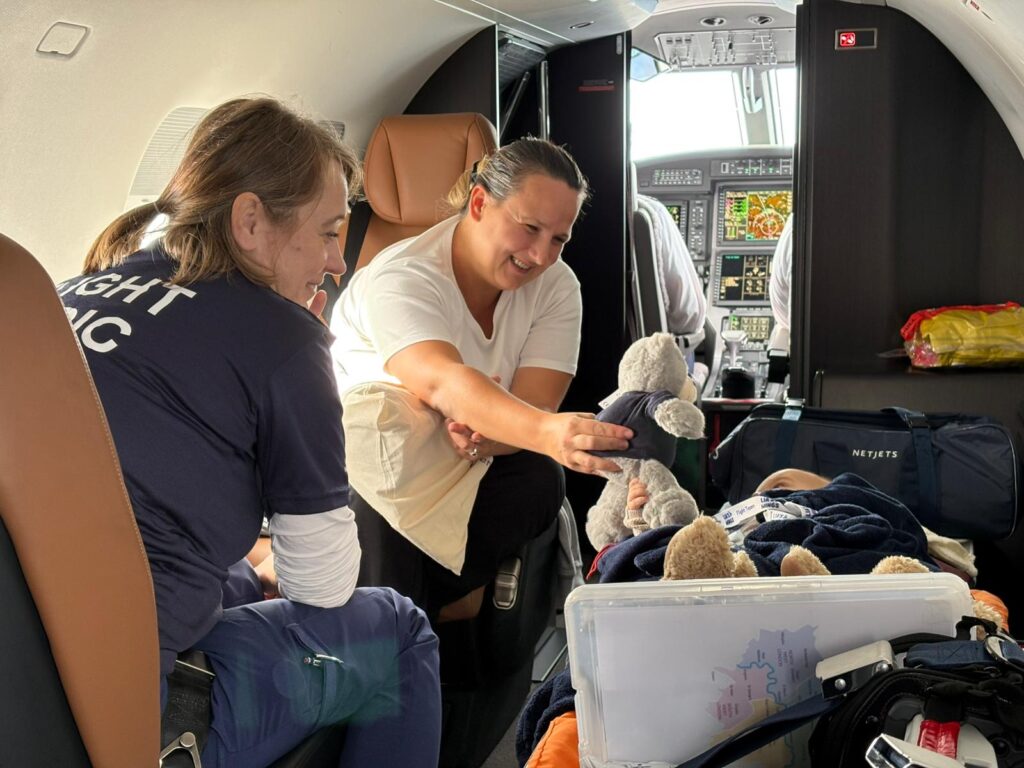
At least one parent or family member flies with the child whenever possible. Image: Lia’s Wings
When families are overseas, says Young: “Parents or other family members often find us through Internet searches, embassies or social media. It is usually parents who contact us, but we also hear from grandparents, relatives and friends seeking support on behalf of a child and their family.”
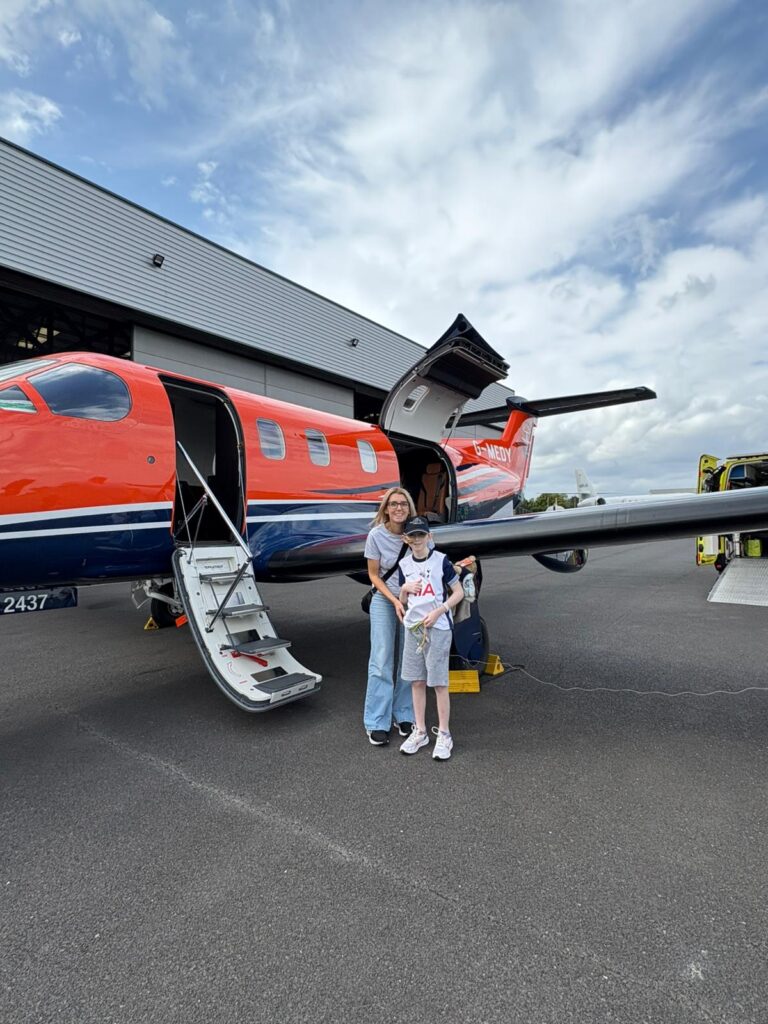
Not all Lia’s Wings’ patients are tiny. This young leukaemia suffer was able to walk onto his PC-12 air ambulance. Image: Lia’s Wings
The charity’s primary air ambulance providers, Skycare Repatriation, IAS Medical, and Gama Aviation, typically employ King Air 200 or PC-12 turboprops or, for overseas missions, Learjet and Challenger 604 jets. All carry a critical care suite and have provision for medical crew and at least one parent whenever possible.

Young reports that more than 60% of Lia’s Wings’ work is with neonatal cases. Weighing as little as two pounds, these smallest patients need the heaviest medical kit.
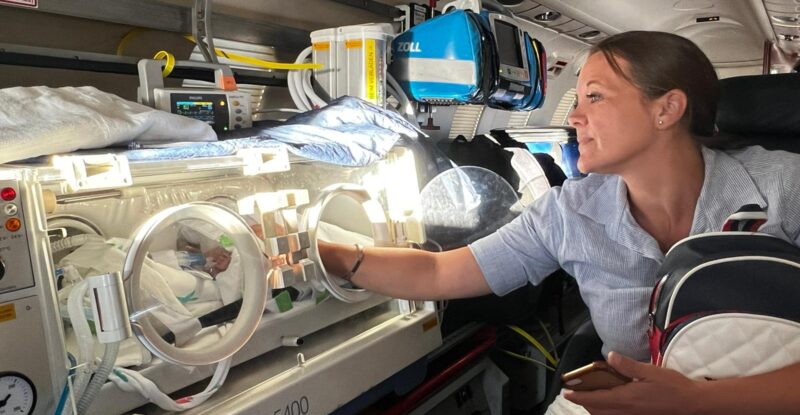
“They are moved in an incubator, effectively a mobile intensive care unit that provides warmth, respiratory support, and the critical care they need throughout the journey,” Young explains.
“At around 200 pounds, the incubator’s weight and size require careful logistical planning. Flight teams must factor the additional load and required equipment into every mission in a way that would not usually be necessary for an adult patient.”
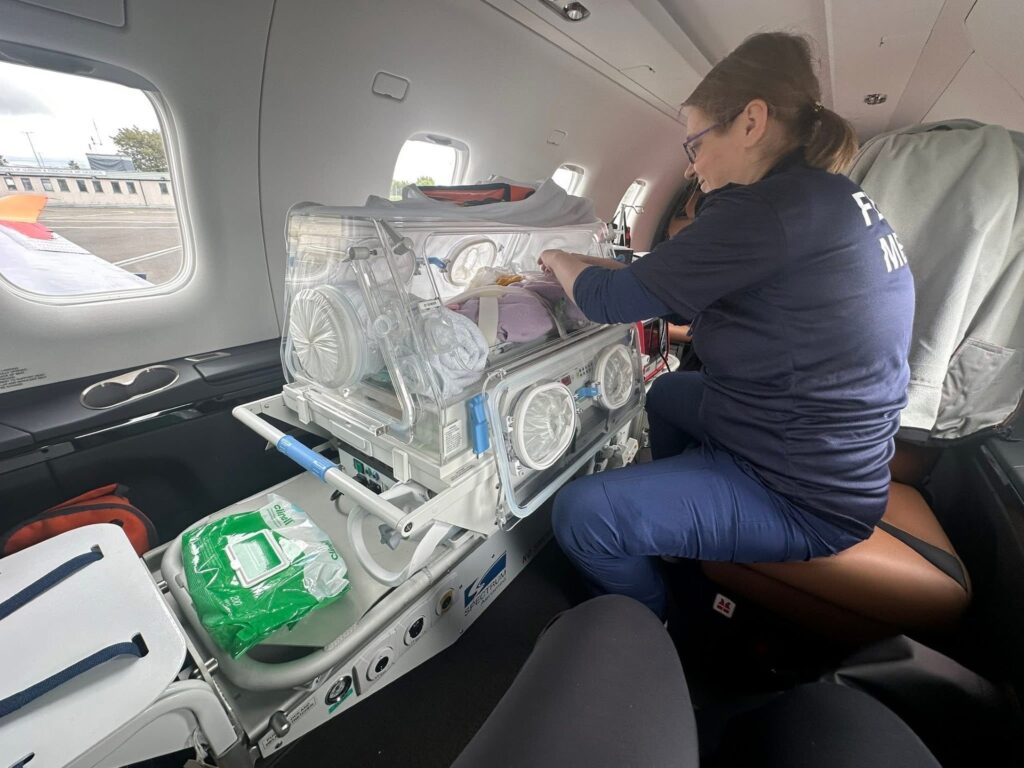
Neonatal transfers require specialist equipment. Image: Lia’s Wings
The life-saving work of Lia’s Wings relies upon the efficiency and niche capability of business aviation operators, illustrating the wider application of a frequently maligned sector’s work.
Without business aviation, Lia’s Wings could not deliver. Without its supporters, it would not exist.
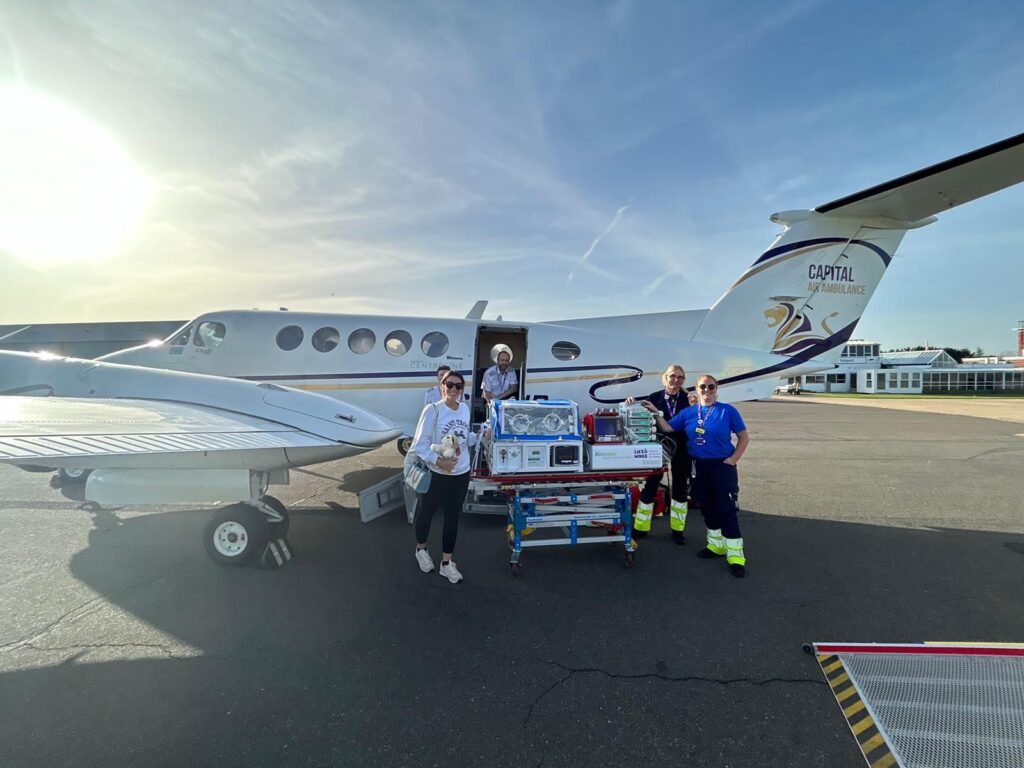
Sitting alongside a King Air awaiting installation, the size of the incubator and associated equipment is apparent. Image: Lia’s Wings
Related Articles:
- Aviation for Good aims to redefine medical access for rural villages
- Post-Covid pivot to pediatrics sees Capital Air Ambulance soar
- Pilatus and EpiGuard announce EpiShuttle fit for the PC-24
- Airbus, Embraer each offer medevac conversions for aircraft
Featured image credited to Lia’s Wings