
 Korean Air has introduced smartphone-based digital sleep testing to strengthen sleep health management for its employees, including pilots and cabin crew. The airline is the first in the aviation industry to adopt a smartphone-based sleep apnea screening medical device approved by Korea’s Ministry of Food and Drug Safety (MFDS) for crew healthcare.
Since September, Korean Air’s Aviation Health and Medical Center has been conducting digital sleep assessments for employees at higher risk of sleep disorders. Developed in partnership with sleep-tech firm Asleep, the two-part program covers both sleep apnea screening and sleep rhythm management.
For sleep apnea screening, the airline uses Apnotrack. Employees place a smartphone next to their bed while sleeping, and the app analyzes breathing sounds over a seven-day period. Medical staff review the results and refer employees to specialized sleep clinics if further evaluation or treatment is needed. For sleep rhythm management, ChronoTrack records sleep and wake times as well as sleep regularity over 14 days to assess insomnia and circadian rhythm disruptions.
Pilots and cabin crew are particularly susceptible to disrupted sleep patterns due to long-haul flights, night operations and time zone changes, while maintenance personnel face similar challenges from shift work. Because sleep apnea occurs during sleep, it is difficult to detect without screening and, if left untreated, can increase the risk of hypertension and cardiovascular disease — making early detection essential.

Korean Air has long operated job-specific sleep education, sleep evaluations and medical consultations during pilot aviation medical exams, and sleep health programs for night-shift workers. With the new digital platform, employees can now monitor their sleep at home without visiting a hospital or wearing specialized equipment.
Korean Air plans to incorporate sleep testing into routine employee health checkups and strengthen referral pathways to specialized medical institutions. The airline will also establish sleep health management standards suited to aviation work environments to support employee health and uphold aviation safety.
“Aviation safety begins with the health of our employees, and healthy sleep is a critical part of that,” said Yoon Young Choi, Head of Korean Air’s Aviation Health and Medical Center. “We will continue to strengthen our healthcare framework so employees can monitor their sleep in their daily routines and receive timely medical care when needed.”
About Korean Air
Serving the world for more than 55 years, Korean Air is one of the world’s top 20 airlines, carrying more than 25 million passengers in 2025. With its global hub at Incheon International Airport (ICN), the airline serves 116 cities in 39 countries on five continents with a modern fleet of 166 aircraft and over 20,000 professional employees.
Korean Air’s outstanding performance and commitment to the highest level of safety and customer service has widely been recognized. The airline has been granted numerous awards including a 5-star airline rating from Skytrax as well as Airline of the Year from both Air Transport World and Airline Ratings. Korean Air is a founding member of the SkyTeam airline alliance, and has grown into one of the largest transpacific airlines through its joint venture with Delta Air Lines.
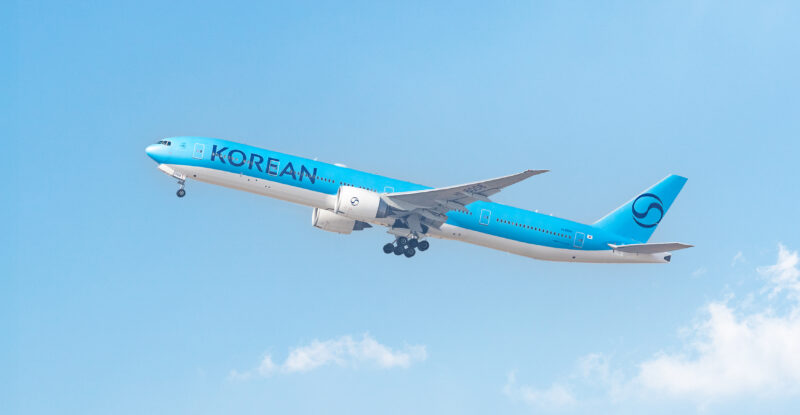
Featured image credited to Korean Air