
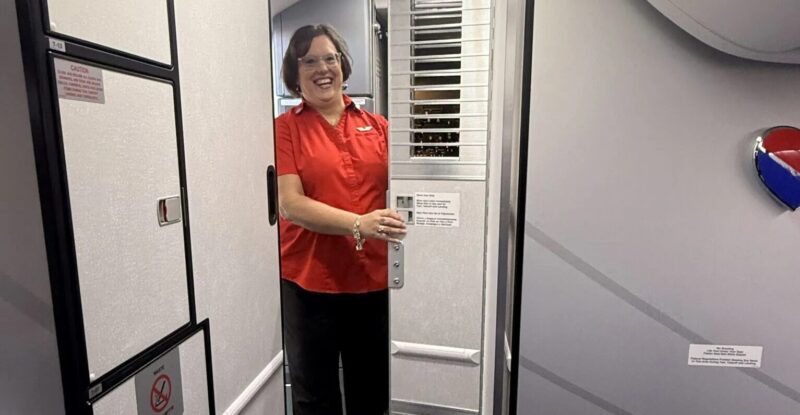

The Air Line Pilots Association (ALPA) is calling on the U.S. Federal Aviation Administration to “issue rulemaking” requiring airlines to retrofit their in-service aircraft with secondary cockpit barriers.
As of today, any new aircraft rolling off the production line and destined for Part 121 carriers in the U.S. are required by the FAA to have an installed physical secondary barrier (IPSB). Airlines were originally required to meet an August 2025 deadline, but the FAA granted them a one-year exemption period that ended today.
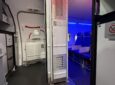
On equipped aircraft, cabin crew members deploy the barrier any time a pilot needs to exit or enter the flight deck, creating an additional secure area while the door is open during flight.
The fact that IPSBs are now required on newly manufactured passenger aircraft — bar “very limited exemptions” — represents “real, hard-won progress,” notes ALPA, which started fighting for the mandate after the 9/11 terrorist attacks.
Now, it says, it’s time for airlines to “finish the job” and not only ensure that all newer jets in their fleets have the hardware, but go further and retrofit these secondary barriers on aircraft already flying.
Its prompt for formal FAA rulemaking is well timed. The U.S. is approaching the 25th anniversary of the 9/11 terrorist attacks.
“A quarter-century removed from September 11th, that’s a gap we shouldn’t live with,” says ALPA president Capt. Jason Ambrosi.
“We are calling on the Federal Aviation Administration to issue rulemaking requiring airlines to retrofit the in-service fleet with secondary flight deck barriers without delay so that protection for the flight deck doesn’t depend on which aircraft happens to show up at the gate.”

Last year, ahead of the new deadline, Part 121 airlines in the U.S. started taking delivery of new-build aircraft with IPSBs already installed by the airframers. Southwest Airlines was among the first out of the gate.
The FAA rule concerning IPSBs for new aircraft does not apply to non-US carriers. But conformity to this type of law or procedural change, whether emerging from the U.S. or Europe, tends to trickle down to other jurisdictions that align their safety procedures with the FAA and the European Union Aviation Safety Agency (EASA), respectively.
Related Articles:
- Why cockpit barriers are likely to become standard
- Southwest to have 26 jets fitted with cockpit barriers by year-end
- US airlines get more time to install secondary cockpit barriers
- ALPA hits back as US airlines seek delay to cockpit barrier rule
- AmSafe Bridport unveils cockpit barrier for commercial aircraft
- SCHROTH reveals secondary cockpit barrier for A320, A330 and A350
Featured image credited to Southwest Airlines