

 The economic outlook for 2026 looks broadly similar to 2025, plenty of upset, fast market reactions and (hopefully) a steady climb down to calmer markets.
Inflation is easing, interest rates are drifting lower, and oil prices are expected to remain subdued, reflecting weaker Chinese demand and steady supply from the US and OPEC (Organization of the Petroleum Exporting Countries).
Trade continues to perform despite policy friction and high consumer costs. Demand remains the key driver. While luxury goods and housing stay weak, travel and general consumer spending remain resilient. On currencies, both the US and China are pursuing weaker exchange rates to support exports and manage deficits.
Macroeconomic and Airline Outlook
For aviation, the environment is generally supportive. Fuel remains down, profits are up, and airlines are in no rush to add capacity beyond taking new deliveries. That discipline, however, tends to fade as route competition intensifies — often with painful consequences.
Aircraft Production and Delivery Forecasts
Aircraft supply is the real potential swing factor. 2025 marked a turning point, with meaningful production progress across OEMs. Airbus stepped up final assembly activity in preparation for higher rates, while Boeing’s return to a stable production flow, though behind Airbus, was an important confidence signal.
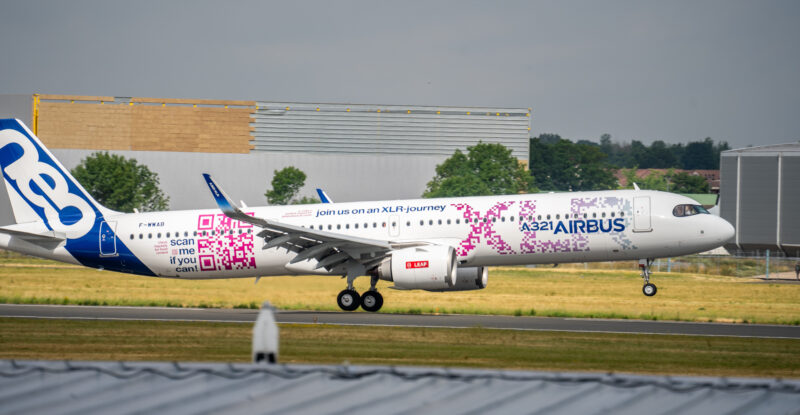
My 2026 production forecast is for 1,800 aircraft across Airbus, Boeing, Embraer, ATR and COMAC. A significant increase over 2025, but no greater than the rise seen last year over 2024. For Airbus, that means just over 900 aircraft: 700 A320-family jets, just over 100 A220s, 42 A330s, and 65 A350s.
For Boeing, I expect a total of 670; roughly 510 737s, more than 100 787s, and 25–30 each of the 767 and 777F, alongside continued progress toward certification milestones.
Flows from Embraer, ATR and COMAC are somewhat in line with growth expectations set two years ago, albeit delayed. We expect Embraer to lead the pack with 85-90 Ejets, ATR to get back over 40, and COMAC to deliver >55 for both the C909 and C919. This, of course, remains dependent on being able to source US components.
Secondary Market, Transactions and Retirements
The big question is the impact on the secondary market. Lease rates for older aircraft have softened but remain well above historical norms, reflecting balance rather than weakness. There is no oversupply of flyable aircraft, and airlines are focused on sweating existing assets rather than chasing aggressive growth. Lease starts and ends are at historic lows, with shorter tenors now the norm.
As new deliveries ramp up, will utilisation of older aircraft ease back toward historical levels? High utilisation is not sustainable forever, particularly as maintenance and reliability pressures build, but unit costs and profits have moved in the right direction, and it can become difficult to give back.
Widebodies remain a different story, with little sign of softening and continued upward momentum.
Transaction activity should increase, partly through deliveries and sale-leasebacks, but growth in sales with leases attached is likely to dominate. Expect more ABS issuance—potentially bypassing USD 10bn—alongside further significant M&A activity and short-term lease extensions.
The outlook for retirements remains unclear. While engine demand should sustain part-out activity, retirement volumes may stay below historical long-term norms if operators continue to retain aircraft, especially amid elevated GTF-powered A320 storage. Month-on-month improvements since the October 2025 peak are encouraging, though they may be seasonal. Even so, elevated engine values and lease rates are likely to drive further opportunistic part-outs.
Further analysis is available in IBA’s latest Market Outlook report, analysing 2026-2044, accessible via this link.

About IBA
IBA delivers the best of all worlds – deep aviation consultancy expertise and
An independent, innovative, and forward-thinking business, IBA has over 35 years of heritage and experience in aviation. Having won the Sustainable Technology award for its IBA NetZero platform in 2024 & 2023 and for its Carbon Emissions Calculator in 2022 and being named ‘Appraiser of the Year’ for five consecutive years, IBA prides itself on its integrity, fierce independence, and continual innovation.
The key to IBA’s success is its people – some of the best in the industry, based in multiple locations across the globe – real experts who are passionate about aviation and go the extra mile for their clients.
Featured image credited to Airbus